

Everything You Need to Know About Bone Density Scans for Osteoporosis: Your Ultimate Guide
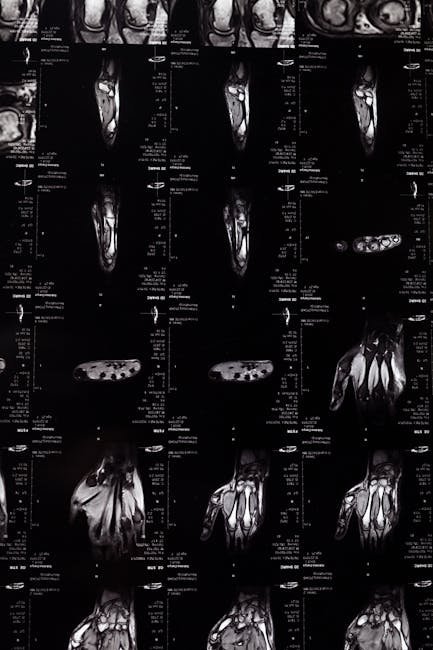
Osteoporosis is a significant health concern affecting millions of people worldwide, predominantly older adults. This condition leads to a decrease in bone density, making bones more susceptible to fractures and breaks. One of the most effective ways to assess bone health is through a bone density scan, also known as dual-energy X-ray absorptiometry (DEXA) scan. This non-invasive test measures the amount of calcium and other minerals in your bones, providing essential insights into your bone health. Understanding bone density scans is crucial for early detection and management of osteoporosis. In this ultimate guide, we will explore what bone density scans are, how they work, who should get them, and what the results mean. Additionally, we will discuss the importance of maintaining bone health and preventive measures to avoid osteoporosis. Whether you’re at risk or simply want to learn more, this comprehensive guide will equip you with the knowledge you need.
What is a Bone Density Scan?
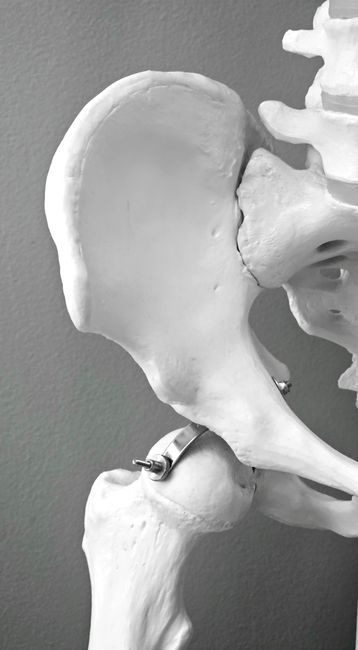
A bone density scan, commonly referred to as a DEXA scan, is a medical imaging test that measures the density and mineral content of bones. It is the most widely used test for diagnosing osteoporosis and assessing fracture risk. The scan primarily focuses on the hip and spine, which are common fracture sites in individuals with weakened bones. During the procedure, a small amount of radiation is used to create detailed images of your bones. The results are expressed as a T-score, which compares your bone density to that of a healthy young adult. A T-score of -1.0 or above is considered normal, while a score between -1.0 and -2.5 indicates low bone density, and a score of -2.5 or lower signifies osteoporosis. This test is quick, typically taking about 10-30 minutes, and is non-invasive, making it a preferred choice for assessing bone health.
Who Should Get a Bone Density Scan?
Bone density scans are crucial for individuals at increased risk of osteoporosis and related fractures. The National Osteoporosis Foundation recommends that women aged 65 and older, as well as men aged 70 and older, should have a bone density test. Additionally, younger individuals with risk factors such as a family history of osteoporosis, low body weight, or previous fractures after age 50 should also consider getting tested. Other risk factors include long-term use of corticosteroids, smoking, excessive alcohol consumption, and certain medical conditions like rheumatoid arthritis or hormonal disorders. If you have undergone hormone-related surgeries or treatments, such as a hysterectomy or prostate cancer therapy, it may also be beneficial to have a bone density scan. Early detection through regular testing can lead to timely interventions and better management of bone health.
How is a Bone Density Scan Performed?
The procedure for a bone density scan is straightforward and requires minimal preparation. You will typically be asked to wear loose-fitting clothing and to avoid wearing jewelry or other metal objects that could interfere with the scan. Upon arrival at the imaging center, you will lie down on a padded table while a scanning arm passes over your body. The scan is painless and usually lasts between 10 to 30 minutes. The machine emits a low dose of radiation, which is much lower than that of a standard X-ray. Throughout the process, you will need to remain still to obtain clear images. After the scan, the results are analyzed, and a report is generated, which will be shared with your healthcare provider. They will interpret the results and discuss any necessary actions, such as lifestyle changes or medication, based on your bone health.
Understanding Bone Density Scan Results
Interpreting the results of a bone density scan involves understanding the T-score and Z-score. The T-score compares your bone density to that of a healthy young adult, while the Z-score compares it to an average person of your age and sex. A T-score of -1.0 or above is considered normal, indicating healthy bone density. Scores between -1.0 and -2.5 suggest low bone density, or osteopenia, which signals an increased risk for developing osteoporosis. A T-score of -2.5 or lower confirms the presence of osteoporosis. The Z-score can provide additional context, especially for younger individuals, helping to identify whether their bone density is lower than expected for their age group. It is essential to discuss your results with a healthcare provider who can provide personalized recommendations based on your specific situation and risk factors.

Benefits of Bone Density Scans
Bone density scans offer numerous benefits, particularly in the early detection and management of osteoporosis. Early identification of low bone density allows for timely intervention, which may include lifestyle changes, dietary adjustments, or medications to strengthen bones. Regular monitoring can also help track the effectiveness of treatment plans, ensuring that individuals receive appropriate care based on their current bone health status. Furthermore, the scan provides valuable information for personalizing prevention strategies, such as exercise regimens focused on strength training and balance. For those already diagnosed with osteoporosis, the scan can help assess the progression of the disease and the risk of future fractures. Overall, bone density scans are a vital tool in maintaining bone health and preventing complications associated with osteoporosis.
Lifestyle Changes to Improve Bone Health
Maintaining healthy bone density requires a comprehensive approach that includes lifestyle changes. A well-balanced diet rich in calcium and vitamin D is essential for bone health. Foods such as dairy products, leafy greens, and fortified cereals are excellent sources of calcium, while fatty fish, egg yolks, and supplements can help meet vitamin D needs. Regular weight-bearing exercises, such as walking, jogging, and strength training, are also crucial for stimulating bone formation and improving overall bone strength. Avoiding smoking and limiting alcohol intake can further reduce the risk of bone loss. Additionally, ensuring adequate sunlight exposure can help the body synthesize vitamin D naturally. Working with a healthcare provider or a nutritionist can help tailor a diet and exercise plan that meets individual needs, ultimately promoting stronger bones and reducing the risk of osteoporosis.
Conclusion
Bone density scans are a critical component of osteoporosis management and prevention. By understanding the importance of these scans and knowing when to get tested, you can take proactive steps toward maintaining your bone health. Early detection of low bone density can lead to effective interventions, helping to prevent fractures and improve overall quality of life. Adopting a healthy lifestyle that includes proper nutrition and regular exercise can further enhance bone strength. If you are at risk or have concerns about your bone health, consult with your healthcare provider about scheduling a bone density scan. Empower yourself with knowledge and take charge of your bone health today!





Leave a Reply