

Unlocking Chronic Care: The Ultimate Guide to Harnessing IoT Devices for Better Health Management
Chronic diseases are a growing concern for individuals, families, and healthcare systems worldwide. With nearly half of all adults in the U.S. living with at least one chronic condition, it is imperative to explore innovative solutions for better health management. The advent of Internet of Things (IoT) devices presents a transformative opportunity for chronic care, enabling patients and healthcare providers to monitor health metrics in real-time. This guide delves into how IoT devices can enhance chronic care management, streamline communication between patients and providers, and provide actionable insights for better health outcomes. From wearable technology to smart home devices, the integration of IoT into healthcare can empower patients and revolutionize how chronic conditions are managed. Whether you are a patient seeking to take control of your health or a provider aiming to improve care delivery, understanding the role of IoT in chronic care is essential. Let’s explore the benefits, types of devices, and best practices for leveraging IoT technology to unlock better health management.
Understanding Chronic Diseases and Their Impact
Chronic diseases, such as diabetes, hypertension, and heart disease, are long-lasting conditions that often require ongoing medical attention and lifestyle adjustments. These diseases can significantly impact the quality of life, leading to physical limitations, emotional distress, and increased healthcare costs. According to the Centers for Disease Control and Prevention (CDC), chronic diseases account for 7 out of 10 deaths in the U.S. annually and are responsible for a significant portion of healthcare spending. The complexity and variability of chronic diseases necessitate a proactive approach to management that includes regular monitoring, adherence to treatment plans, and lifestyle modifications. This is where IoT devices come into play, offering innovative solutions to help patients manage their conditions effectively. By providing real-time data and insights, these devices empower patients to take charge of their health while enhancing the ability of healthcare providers to deliver personalized care.
The Role of IoT Devices in Chronic Care Management
The integration of IoT devices into chronic care management is revolutionizing how patients interact with their health. IoT devices are equipped with sensors that collect and transmit health data, such as blood pressure, glucose levels, and heart rate, to healthcare providers. This continuous flow of information allows for timely interventions and adjustments to treatment plans based on real-time data. For instance, a wearable glucose monitor can alert both the patient and their healthcare provider when levels are dangerously high or low, enabling swift action to prevent complications. Additionally, IoT devices foster improved communication between patients and providers, reducing the need for frequent in-person visits and allowing for more flexible and personalized care. With the ability to track health metrics over time, providers can better understand a patient’s conditions and tailor treatment strategies, ultimately leading to better health outcomes and enhanced quality of life.

Types of IoT Devices for Chronic Care
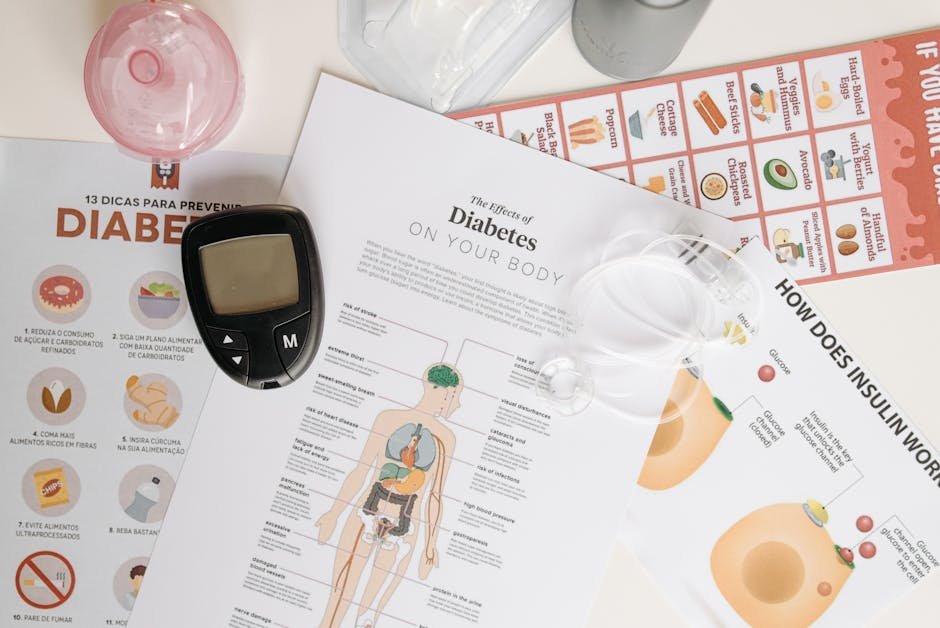
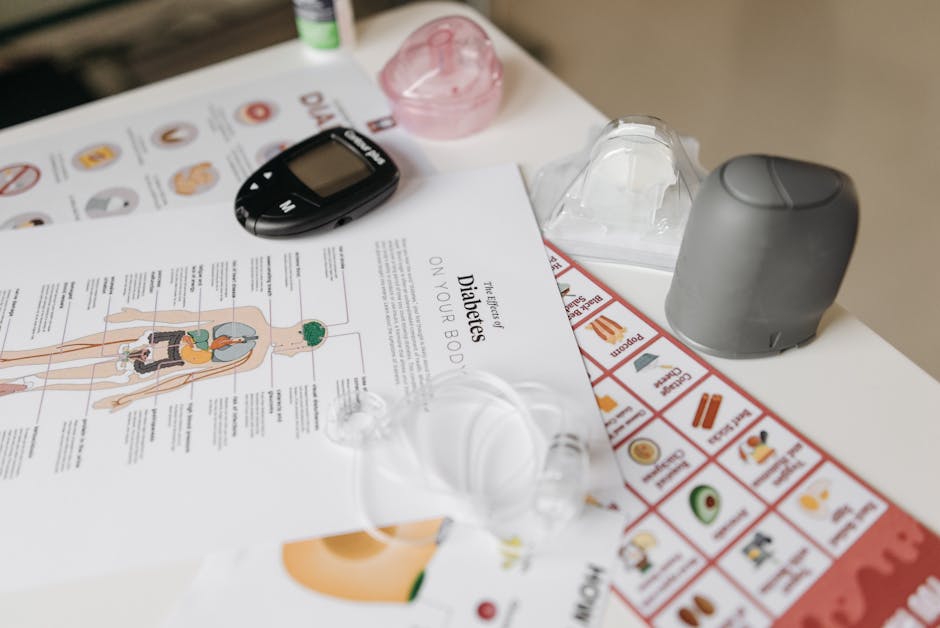
There is a wide range of IoT devices available that cater to various chronic conditions. For example, wearable devices such as fitness trackers and smartwatches are designed to monitor physical activity, heart rate, and sleep patterns. These devices provide valuable insights into a patient’s lifestyle and can help identify potential health issues early. For individuals with diabetes, continuous glucose monitors (CGMs) offer real-time blood sugar monitoring, allowing for better management of insulin and dietary choices. Blood pressure monitors equipped with IoT capabilities can automatically transmit readings to healthcare providers, ensuring that hypertension is managed effectively without frequent office visits. Smart inhalers for asthma patients track medication usage and provide reminders, improving adherence to treatment. Each of these devices highlights the adaptability of IoT technology in addressing the unique needs of patients with chronic conditions, empowering them to take control of their health and well-being.
Benefits of Using IoT Devices in Chronic Care
The benefits of using IoT devices in chronic care are manifold, enhancing both patient experience and healthcare delivery. One significant advantage is improved patient engagement. By providing patients with real-time access to their health data, IoT devices encourage active participation in their care. This heightened awareness fosters accountability and motivates individuals to adhere to treatment plans. Furthermore, IoT devices facilitate early intervention, as healthcare providers can monitor patient data continuously and detect issues before they escalate into serious complications. This proactive approach not only reduces hospital admissions but also lowers healthcare costs. Additionally, IoT devices can enhance remote monitoring, allowing patients to receive high-quality care from the comfort of their homes, which is particularly beneficial for those with mobility challenges or those living in rural areas. Overall, the integration of IoT devices leads to a more efficient and patient-centered approach to chronic care management.
Challenges in Implementing IoT in Chronic Care
While the potential of IoT devices in chronic care is significant, several challenges hinder their widespread adoption. One of the primary concerns is data security and privacy. As IoT devices collect sensitive health information, ensuring that this data is protected from cyber threats is critical. Patients must trust that their personal health data will not be misused or improperly accessed. Additionally, there can be technological barriers, particularly for older adults or those less familiar with technology. User-friendly interfaces and comprehensive training are essential to ensure that all patients can effectively use these devices. Furthermore, healthcare providers must be equipped with the necessary tools and infrastructure to analyze and act on the data collected from IoT devices. Addressing these challenges is crucial to unlocking the full potential of IoT in chronic care management and ensuring that all patients can benefit from these advancements.
Best Practices for Using IoT Devices in Chronic Care
To maximize the benefits of IoT devices in chronic care, implementing best practices is essential. First, patients should choose devices that are compatible with their specific health needs and offer reliable data accuracy. Healthcare providers should work closely with patients to educate them on how to use these devices effectively, ensuring they understand the importance of regular monitoring and data sharing. Establishing a clear communication channel between patients and providers is crucial; healthcare teams should regularly review the data collected and provide feedback or adjustments to treatment plans as needed. Additionally, fostering a collaborative relationship between patients and providers can enhance engagement and adherence to care plans. Finally, healthcare organizations must prioritize data security measures to protect patient information, reinforcing trust in the use of IoT technology for chronic care. By following these best practices, patients and providers can work together toward improved health outcomes.
The Future of IoT in Chronic Care
The future of IoT in chronic care management looks promising, with advancements in technology continuously evolving to meet patients’ needs. The integration of artificial intelligence (AI) with IoT devices is expected to enhance data analysis capabilities, allowing for more personalized and predictive care. For example, AI algorithms could analyze patterns in patient data, providing actionable insights that help anticipate health crises before they occur. Furthermore, the expansion of telehealth services will likely complement IoT devices, offering patients seamless access to healthcare professionals without the constraints of time and location. As a result, remote patient monitoring will become increasingly prevalent, empowering patients to manage their chronic conditions more effectively. Additionally, ongoing research and development in wearable technology may lead to the creation of more sophisticated devices that can monitor multiple health parameters simultaneously. The future of IoT in chronic care is not just about collecting data; it’s about transforming that data into meaningful actions that improve patient health and overall well-being.
Conclusion
In conclusion, the integration of IoT devices into chronic care management presents a transformative opportunity for patients and healthcare providers alike. By harnessing the power of real-time data and advanced technology, individuals can take greater control of their health, while providers can offer tailored, proactive care. Despite the challenges that may arise, the benefits of improved patient engagement, early intervention, and enhanced communication cannot be overstated. As we look to the future, embracing IoT technology in chronic care will be vital in addressing the growing burden of chronic diseases. By staying informed and adopting best practices, both patients and healthcare providers can work together to unlock better health management and achieve improved outcomes for individuals living with chronic conditions.









Leave a Reply