

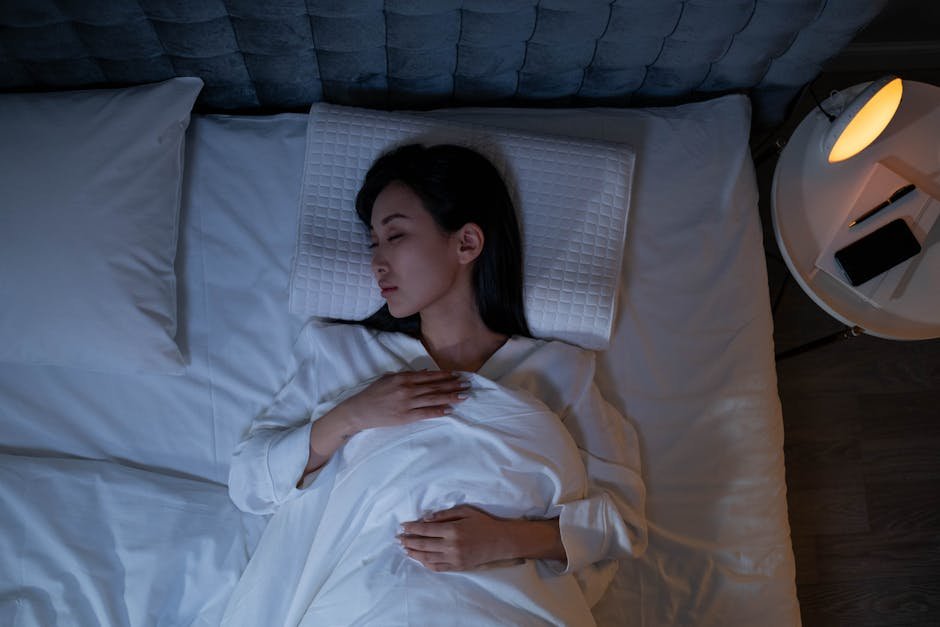
10 Surprising Facts About Sleep Apnea Machines That Will Change How You Sleep
Sleep apnea is a common yet often underdiagnosed sleep disorder that affects millions of people worldwide. Characterized by pauses in breathing or shallow breaths during sleep, it can lead to serious health issues, including heart disease, diabetes, and impaired cognitive function. One of the most effective treatments for sleep apnea is the use of Continuous Positive Airway Pressure (CPAP) machines, which keep the airways open by delivering a steady stream of air. Despite their widespread use, many people are unaware of the fascinating details and surprising benefits associated with these machines. In this article, we will explore ten compelling facts about sleep apnea machines that might just change how you view your sleep and health. From their technological advancements to their impact on overall well-being, understanding these facts can empower you to make informed decisions about your sleep health.
1. CPAP Machines Are Not One-Size-Fits-All
Many people assume that all CPAP machines function the same way; however, this is far from the truth. There are various types of CPAP machines designed to cater to individual needs and preferences. For instance, some machines offer automatic adjustments to air pressure throughout the night, responding to changes in the sleeper’s position or breathing patterns. Others provide advanced features such as humidification, which adds moisture to the air, making it easier to breathe and reducing potential nasal irritation. Additionally, some devices incorporate integrated monitoring technology that tracks sleep patterns and apnea events, allowing healthcare providers to fine-tune treatment more effectively. Understanding the range of options available can empower patients to choose a machine that best fits their lifestyle and comfort requirements.
2. Sleep Apnea Machines Can Enhance Overall Sleep Quality
Using a CPAP machine can dramatically improve sleep quality for those suffering from sleep apnea. By maintaining an open airway and promoting uninterrupted breathing, these devices can help users achieve deeper, more restorative sleep. Research has shown that individuals using CPAP report feeling less tired and more alert during the day, thanks to the enhanced quality of their sleep. For instance, a study published in the Journal of Clinical Sleep Medicine found that patients using CPAP machines experienced a significant reduction in daytime sleepiness and improved overall cognitive function compared to those who did not use the treatment. This improvement in sleep quality can lead to better mood regulation, increased productivity, and an overall enhancement in quality of life, illustrating just how transformative a CPAP machine can be.

3. Noise Levels Have Been Significantly Reduced
One common misconception about CPAP machines is that they are excessively noisy and disruptive. However, advancements in technology have led to quieter models that produce minimal sound during operation. Modern CPAP machines are engineered with noise-reduction features that allow for a more peaceful sleep environment. Many users report that their machines operate at noise levels comparable to a whisper, making them suitable for shared sleeping spaces. For instance, some current models measure noise levels in decibels and are designed to be under 30 dB, which is quieter than a library. This reduction in noise not only benefits the user but also ensures that partners and family members aren’t disturbed by the sound, thus fostering a more restful sleep experience for everyone involved.
4. CPAP Machines Can Assist in Weight Management
One of the lesser-known benefits of using CPAP machines is their potential role in weight management. Sleep apnea is often linked to obesity, and poor sleep can contribute to weight gain due to hormonal imbalances and increased cravings for unhealthy foods. By improving sleep quality, CPAP machines can help regulate hormones like ghrelin and leptin, which control hunger and satiety. A study from the American Journal of Respiratory and Critical Care Medicine found that patients who used CPAP machines experienced a reduction in body mass index (BMI) over time. Additionally, better sleep can lead to increased energy levels, making it easier for individuals to engage in physical activity and maintain a healthy lifestyle. Thus, using a CPAP machine can be an essential step in breaking the cycle of sleep apnea and obesity.

5. Regular Maintenance is Key to Optimal Performance
To ensure that CPAP machines operate effectively and deliver the best results, regular maintenance is essential. Many users overlook the importance of cleaning their equipment, which can lead to the buildup of dust, mold, and bacteria. It is recommended that users clean their masks, tubing, and water chambers regularly to prevent infections and maintain optimal airflow. Additionally, replacing filters and other components as needed can enhance the machine’s performance. Companies often provide guidelines on how frequently parts should be replaced, which is crucial for ensuring the longevity of the machine. By prioritizing maintenance, users can maximize their CPAP experience and enjoy the full range of benefits that these devices offer.
6. They Can Help Reduce the Risk of Serious Health Conditions
Using a CPAP machine to manage sleep apnea can significantly lower the risk of several serious health conditions. Studies indicate that untreated sleep apnea is associated with increased risks of hypertension, cardiovascular diseases, and stroke. The continuous airflow provided by a CPAP machine helps to stabilize blood oxygen levels, reducing the strain on the heart and minimizing the risk of associated complications. For example, a study published in the European Respiratory Journal found that patients with obstructive sleep apnea who adhered to CPAP therapy had a lower incidence of heart problems compared to those who did not seek treatment. By addressing sleep apnea, users not only improve their sleep but also safeguard their long-term health, making CPAP therapy a vital component of preventive healthcare.
7. They Are More Portable Than Ever
Gone are the days when CPAP machines were bulky and cumbersome, making travel a hassle. Today’s CPAP machines are more portable and user-friendly, designed for those who travel frequently. Many modern devices are compact, lightweight, and come with convenient carrying cases, making it easy to take them on trips. Some models even operate on batteries, allowing users to maintain their therapy while camping or traveling in areas without power. Additionally, advancements in technology have led to the development of travel CPAP machines that are specifically designed for frequent flyers. With features like quiet operation and quick setup, these portable machines ensure that users can prioritize their sleep health no matter where they are.
Conclusion
Sleep apnea machines, particularly CPAP devices, are essential tools for managing sleep apnea and improving overall health. From their tailored features to their contributions toward better sleep quality and reduced health risks, understanding these surprising facts can significantly influence how individuals approach their sleep health. Emphasizing regular maintenance, exploring the variety of available options, and recognizing the broader benefits of these machines can empower users to take control of their sleep. By embracing the advancements in sleep apnea treatment, individuals can enhance their quality of life, enjoy restorative sleep, and ultimately lead healthier, more fulfilling lives.







Leave a Reply