

2025 Guide: Discover the Most Popular Non-Surgical Cosmetic Treatments Covered by Insurance
As we step into 2025, the landscape of cosmetic treatments continues to evolve, with a growing number of non-surgical options gaining popularity among consumers. Many individuals are seeking ways to enhance their appearance without the need for invasive procedures. This trend is not only about aesthetics; it often intersects with health and wellness, particularly when it comes to insurance coverage. While traditionally, cosmetic treatments were viewed as purely elective, many insurance providers are beginning to cover certain non-surgical procedures that provide therapeutic benefits or address specific medical concerns. In this guide, we’ll explore some of the most popular non-surgical cosmetic treatments that are covered by insurance, helping you to make informed decisions about your aesthetic journey in 2025.
1. Botox for Migraines
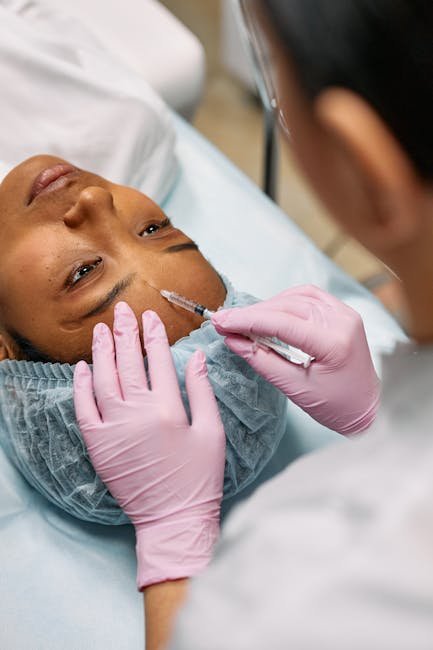
Botox, known primarily for its wrinkle-reducing capabilities, has gained recognition for its effectiveness in treating chronic migraines. In 2025, many insurance plans cover Botox injections when prescribed for patients suffering from severe, debilitating migraines. The treatment involves a series of injections administered approximately every three months, targeting specific muscle groups in the head and neck. The neurotoxin works by blocking nerve signals that contribute to headache symptoms. Studies have shown that patients experience a significant reduction in the frequency and intensity of their migraines. By alleviating pain, Botox can improve the quality of life for many individuals, making it not just a cosmetic treatment but a valuable therapeutic option.
2. Dermal Fillers for Facial Volume Loss
Dermal fillers, such as hyaluronic acid, are often sought for their ability to restore lost volume in the face due to aging. However, in cases where volume loss is associated with medical conditions like HIV-related lipoatrophy or facial wasting, many insurance providers will cover the cost of these fillers. This treatment helps improve facial contours and restore a more youthful appearance, which is essential for self-esteem and mental health. The procedure is minimally invasive, typically requiring no downtime, and results can last from six months to two years, depending on the type of filler used. Patients experiencing significant emotional distress due to facial volume loss may find this treatment to be a necessary medical intervention.
3. Chemical Peels for Acne Scarring
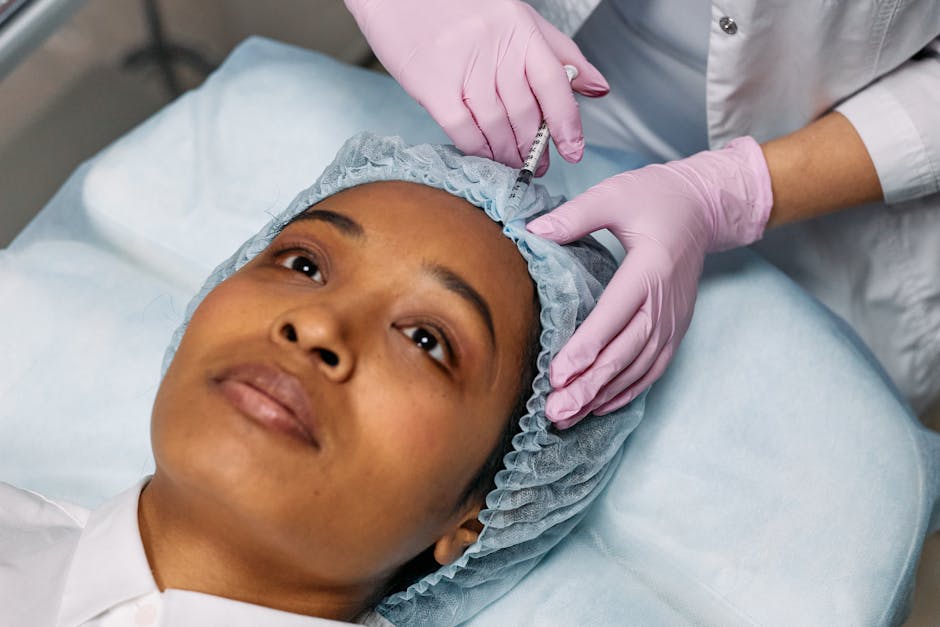
Chemical peels, which involve the application of a solution to exfoliate the skin, can be an effective treatment for acne scarring and other skin imperfections. In 2025, many insurance companies recognize the therapeutic benefits of chemical peels for individuals suffering from severe acne that has led to significant scarring. By removing the outer layer of damaged skin, chemical peels promote new skin growth and can dramatically improve the appearance of scars. There are varying strengths of chemical peels, from superficial to deep, allowing dermatologists to tailor treatments to the individual’s specific skin condition. As a result, those struggling with the long-term effects of acne can experience both physical and psychological relief through this treatment.
4. Laser Hair Removal for Medical Conditions
Laser hair removal is often viewed as a luxury cosmetic treatment; however, for individuals with conditions such as hirsutism or polycystic ovary syndrome (PCOS), it can be a necessary medical procedure. In 2025, some insurance plans are beginning to cover laser hair removal when it is deemed medically necessary. This treatment targets hair follicles with concentrated light, effectively reducing hair growth over time. Many patients report significant improvements in their self-esteem and overall quality of life after undergoing laser hair removal. The procedure can also reduce the risk of ingrown hairs and associated skin infections, making it beneficial from a health perspective as well.

5. Sclerotherapy for Varicose Veins
Sclerotherapy is a minimally invasive procedure used to treat varicose veins and spider veins. In 2025, this treatment is often covered by insurance when the veins cause discomfort, pain, or medical complications. During the procedure, a sclerosing solution is injected into the affected veins, causing them to collapse and fade from view. This treatment not only improves the cosmetic appearance of the legs but also alleviates symptoms such as swelling, heaviness, and cramping. Many patients find relief after just one session, although multiple treatments may be necessary for optimal results. By addressing both the aesthetic and medical issues related to varicose veins, sclerotherapy proves to be a valuable option for many individuals.
6. Microdermabrasion for Skin Conditions
Microdermabrasion is a popular skin rejuvenation technique that can also be effective for treating various skin conditions, including acne, sun damage, and uneven skin tone. In 2025, some insurance companies may cover microdermabrasion if it is prescribed as a treatment for medical skin conditions rather than purely for cosmetic enhancement. The procedure involves using a handheld device to exfoliate the outer layer of skin, promoting cell turnover and revealing healthier skin underneath. Patients often see an improvement in their skin’s texture and appearance after just a few sessions. By helping to manage skin conditions, microdermabrasion can contribute to both physical and psychological well-being.
7. Platelet-Rich Plasma (PRP) Therapy for Hair Loss
Platelet-rich plasma (PRP) therapy is an innovative treatment that utilizes the patient’s own blood to stimulate hair growth in individuals experiencing hair loss. In 2025, this procedure may be covered by insurance for patients facing medical hair loss conditions such as androgenetic alopecia. During PRP therapy, a small amount of blood is drawn and processed to extract the plasma rich in growth factors. This plasma is then injected into the scalp to promote hair follicle health and regeneration. Many patients report noticeable improvements in hair thickness and growth after a series of treatments. By addressing hair loss from a medical standpoint, PRP therapy provides a solution that goes beyond mere aesthetics.
Conclusion
As we navigate the evolving world of non-surgical cosmetic treatments in 2025, it is essential to understand that many procedures now come with significant health benefits and, in some cases, insurance coverage. From Botox for migraines to PRP therapy for hair loss, these treatments can help improve both physical appearance and overall quality of life. As insurance companies adapt to the changing landscape, individuals seeking cosmetic enhancements should explore their options and advocate for coverage when appropriate. By combining the benefits of aesthetic improvements with medical necessity, patients can make informed decisions that promote their health and well-being.









Leave a Reply