

Unlocking Better Health: A Complete Guide to Leveraging Mobile Clinics for Preventive Care in Rural Areas
Access to healthcare is a fundamental right, yet millions of people, particularly in rural areas, face significant barriers to receiving essential medical services. These barriers often include a lack of transportation, limited healthcare facilities, and the shortage of healthcare professionals willing to serve in remote locations. Mobile clinics have emerged as a powerful solution to bridge these gaps, providing essential preventive care directly to underserved communities. This article explores the multifaceted advantages of mobile clinics, the challenges they face, and how they can be a game-changer in enhancing public health through preventive care. By examining successful case studies and innovative practices, we will illustrate how mobile clinics can transform healthcare delivery, improve health outcomes, and foster a healthier future for rural populations. Understanding the potential of these mobile units is crucial for health policymakers, community leaders, and healthcare professionals seeking to unlock better health for all.
The Role of Mobile Clinics in Preventive Care
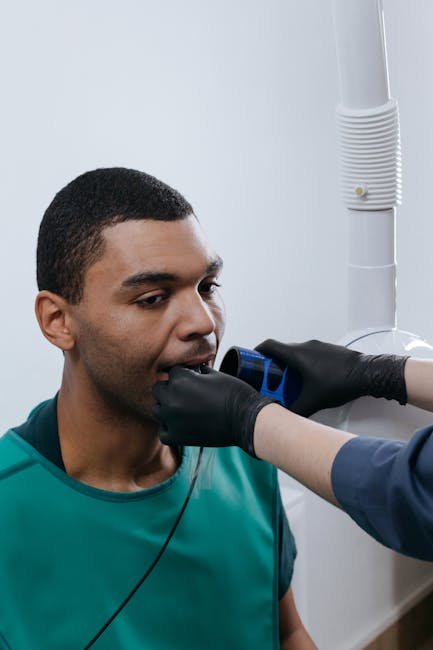
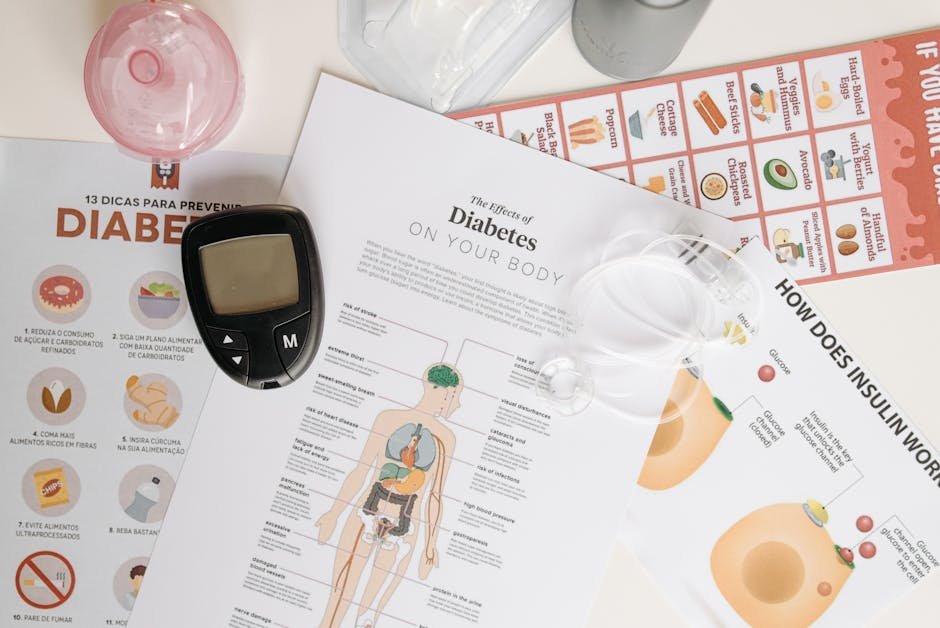
Mobile clinics play a vital role in preventive care by making essential health services accessible to those who may otherwise go without. These clinics are equipped to provide various services, including vaccinations, health screenings, health education, and chronic disease management. By bringing these services directly to the community, mobile clinics help identify health issues early, which is crucial for effective treatment and management. For instance, regular screenings for conditions such as diabetes and hypertension can lead to early intervention, significantly reducing the risk of severe complications. Additionally, mobile clinics often collaborate with local organizations, schools, and community groups to foster health education initiatives, empowering residents with knowledge about healthy lifestyles and disease prevention. This community-centric approach not only enhances health outcomes but also builds trust between healthcare providers and the communities they serve.

Challenges Faced by Mobile Clinics
While mobile clinics offer numerous benefits, they also face significant challenges that can hinder their effectiveness. One primary obstacle is funding; many mobile clinics rely on grants, donations, and community partnerships to operate, making them vulnerable to financial instability. Additionally, logistical issues such as vehicle maintenance, staffing, and scheduling can complicate service delivery. In rural areas, the vast geographical distances can make it challenging to reach all residents effectively. Furthermore, there may be technological barriers, as some mobile clinics lack the necessary tools for telehealth services or electronic health record management, limiting their ability to provide comprehensive care. Lastly, there can be resistance from the local population, either due to skepticism regarding the quality of care or cultural differences. Addressing these challenges is essential for ensuring that mobile clinics can function effectively and sustainably in rural communities.
Successful Case Studies of Mobile Clinics
Numerous successful case studies demonstrate the transformative impact of mobile clinics in rural areas. One notable example is the “Health on Wheels” program in Kentucky, which provides comprehensive healthcare services to underserved communities. This initiative has led to increased vaccination rates and improved management of chronic diseases such as diabetes. By employing a team of healthcare professionals, including nurses and social workers, the program has effectively addressed both medical and social determinants of health. Another inspiring case is the “Mobile Health Clinics” initiative in California that targets agricultural workers. These clinics not only provide basic health services but also focus on occupational health, mental health support, and wellness education tailored to the unique needs of this population. These case studies illustrate the potential of mobile clinics to deliver vital health services while fostering community engagement and trust.
Integrating Technology into Mobile Clinics
Technology integration is a game changer for mobile clinics, enhancing their operational efficiency and service delivery. Many mobile clinics have adopted telehealth solutions, allowing them to connect patients with specialists without requiring them to travel long distances. For instance, patients can have virtual consultations for chronic conditions like asthma or heart disease, making it easier to manage their health from home. Moreover, mobile clinics can utilize electronic health records (EHR) to streamline patient information management and improve continuity of care. This technology not only enhances patient care but also facilitates better data collection, enabling mobile clinics to track health trends and outcomes in the communities they serve. Furthermore, mobile clinics equipped with diagnostic tools, such as portable ultrasound and lab testing machines, can provide immediate results and care, further elevating the standard of preventive healthcare in rural areas.

Community Engagement and Education
Community engagement is crucial for the success of mobile clinics in promoting preventive care. Effective outreach strategies can help build trust and encourage participation among residents. Mobile clinics often collaborate with local organizations, schools, and faith-based groups to conduct health fairs, workshops, and educational sessions that address specific health concerns relevant to the community. By involving community members in the planning and implementation of services, mobile clinics can tailor their offerings to meet local needs. For example, a mobile clinic may conduct a series of workshops on nutrition and exercise to combat rising obesity rates in a rural area. Additionally, engaging local leaders and influencers can amplify the clinic’s message and enhance its credibility. By fostering a sense of ownership and involvement, mobile clinics can empower communities to take charge of their health and well-being.
The Future of Mobile Clinics in Rural Health
The future of mobile clinics in rural health looks promising as innovations continue to emerge and the importance of preventive care gains recognition. Policymakers and healthcare leaders are increasingly advocating for funding and support for mobile health initiatives, recognizing their potential to address health disparities. The integration of advanced technologies, such as artificial intelligence and remote monitoring tools, may further enhance the capabilities of mobile clinics, enabling them to provide personalized care and predictive analytics. Moreover, as healthcare systems shift towards value-based care models, mobile clinics can play a critical role in improving population health metrics. Collaboration between governmental and non-governmental organizations, along with community stakeholders, will be essential to expand the reach and effectiveness of mobile clinics. By embracing a holistic approach to healthcare delivery, mobile clinics can help create healthier communities and pave the way for a brighter future.
Conclusion
Mobile clinics represent a powerful solution for addressing the healthcare needs of rural populations, particularly in the realm of preventive care. By overcoming barriers to access and providing essential services directly to communities, these clinics can significantly improve health outcomes and foster healthier lifestyles. Despite facing challenges such as funding and logistical issues, successful case studies demonstrate the effectiveness of mobile clinics in delivering comprehensive care. As technology continues to evolve and community engagement becomes more integral to healthcare delivery, the potential for mobile clinics to transform rural health is immense. By prioritizing mobile health initiatives and supporting their growth, we can unlock better health for all, ensuring that no one is left behind in the pursuit of quality healthcare.








Leave a Reply